Co-creation workshop | Brugge, March 25th-27th 2026
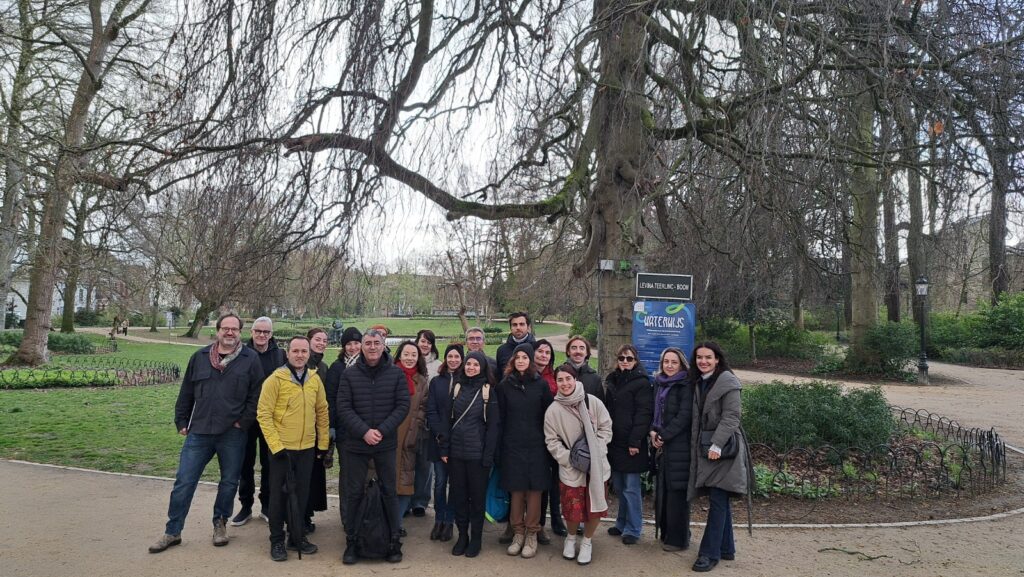
The workshop was another unique step toward for our urban living labs (ULL) for circular regenerative neighbourhoods – this time focusing on how to communicate and improve the advanced circular implementations in Brugge. We refined our co-creation methods with Lego Serious Play and theory of change! Muğla Büyükşehir Belediyesi and Çankaya Belediyesi also joined the discussion to explore synergies for the Turkish neighbourhoods.
The Urban-CoLLaR International Symposium on Circularity in the Urban Built Environment: Moving from Experimental Practice to Policy | KU Leuven, March 27th 2026
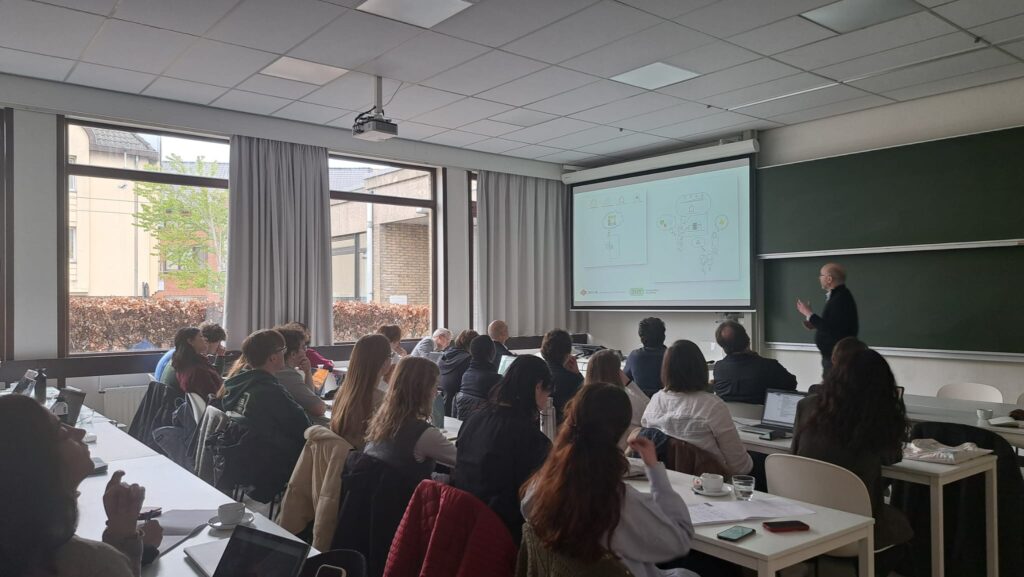
Within the framework of the Driving Urban Transitions Partnership (DUT), and particularly the Urban CoLLaR Project, this symposium has explored how analytical tools, strategic management practices, and governance mechanisms can jointly support the mainstreaming of circular approaches in the urban built environment. The programme featured inspiring contributions from experts in academia and local authorities, with research findings and first-hand experiences shared in an international setting.
The symposium was organised within the European DUT project Urban-CoLLaR: Co-creating Urban Living Labs for Circular Regenerative Neighbourhoods, supported and developed by the Building Physics and Sustainable Design research group, and hosted by the OPO Social-Ecological Constructions within the Master of Civil Engineering Technology at Ghent Campus.
Co-creation workshop in Ankara | December 10, 2025
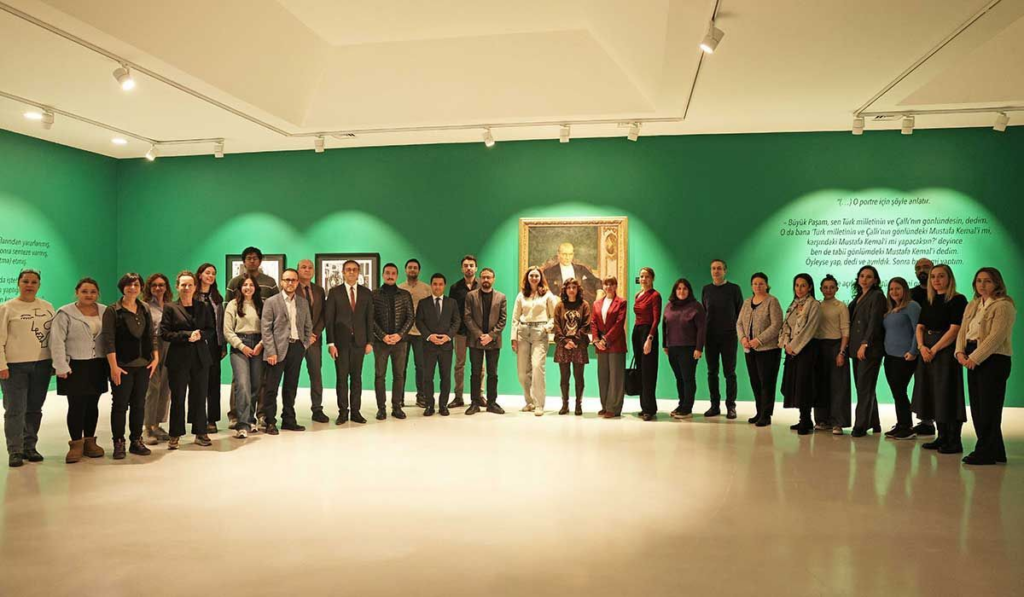
On December 10th 2025, Çankaya Municipality (Çankaya Belediyesi) hosted a co-creation workshop as a part of the Urban CoLLaR Project. The workshop took place at the Doğan Taşdelen Contemporary Arts Centre, Ankara, Türkiye under the coordination of Bilkent University.
Çankaya Municipality’s Bademlidere Cumhuriyet Park is one of the four case study areas in the project. Researchers and experts from Çankaya Municipality, Bilkent University, and De Haagse Hogeschool / The Hague University of Applied Sciences, Netherlands have participated and facilitated the workshop. Internal and external stakeholders, included participants from Ankara Development Agency and Çankaya City Council, were invited and took part in this project activity.
The workshop addressed participatory and inclusive decision-making mechanisms within the framework of circularity and sustainability and it is part of a series of workshops that will be run in all case studies of our project. The experts combined lego serious play and world café techniques for enhanced engagement and participation.
Çankaya Municipality will continue its efforts to develop innovative, circular, and sustainable solutions at the neighborhood level through the Urban-CoLLaR project.
Consortium meeting in Milan | October 1-3, 2025
A new consortium meeting for the UrbanCoLLaR project (part of the Driving Urban Transitions Partnership) has taken place on October 1-3, in Milano, and there are many reasons to thank the organizers, our local partners, Politecnico di Milano (PoliMi) and PlusValue (PV) Milano. This was a full – and happy – house, with representatives from all partners in the project. A great occasion for researchers, PhD students, and professionals representing the municipalities to progress with current activities, and plan next steps in the project.

A tentative summary of what we’ve done:
· We have visited MIND Milano Innovation District and Comune di Rho, and we familiarized ourselves with circular approaches and practices. We discussed relevant indicators of circularity from a bottom-up perspective.
· We have organized, and participated in, a collaborative workshop aiming to discuss the key indicators which will be later included in the Circularity Questionnaire. The validation of the list of indicators with the help of people with various expertise, and in a trans-national setting was a priority of our meeting.
· Our collaborative approach included photo elicitation, and a discussion on circularity indicators using relevant stakeholders from the MIND (Milano Innovation District).
· We put together a participatory approach in engaging the participants – experts and stakeholders – to discuss the important aspects of circularity, incentives and challenges, as well as inhibitory and stimulating factors. We used Lego to enhance the creativity of participants and enrich the discussions.
These activities were part of the process of co-creating Urban Living Labs (ULL) for circular regenerative neighborhoods, and contributed to the understanding of the key indicators of circularity which could be further tested at the neighborhood level.
Due thanks go to all participants and especially to the organizers!