1. Turkiye, Muğla Menteşe & Ankara Çankaya Bademlidere districts
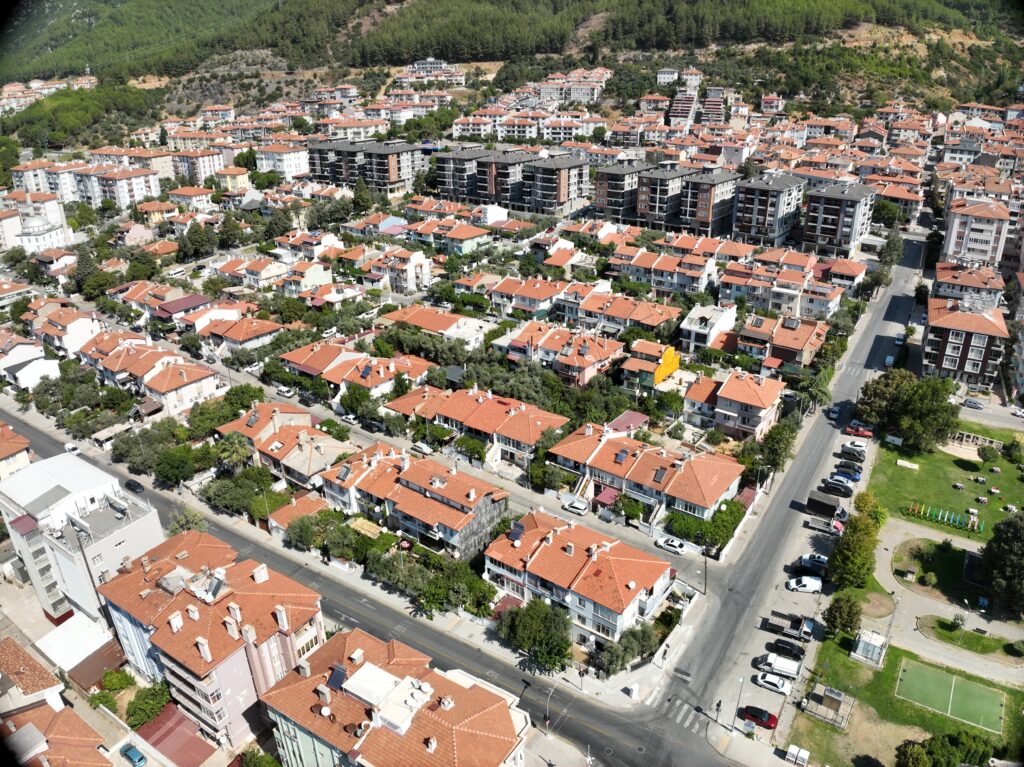
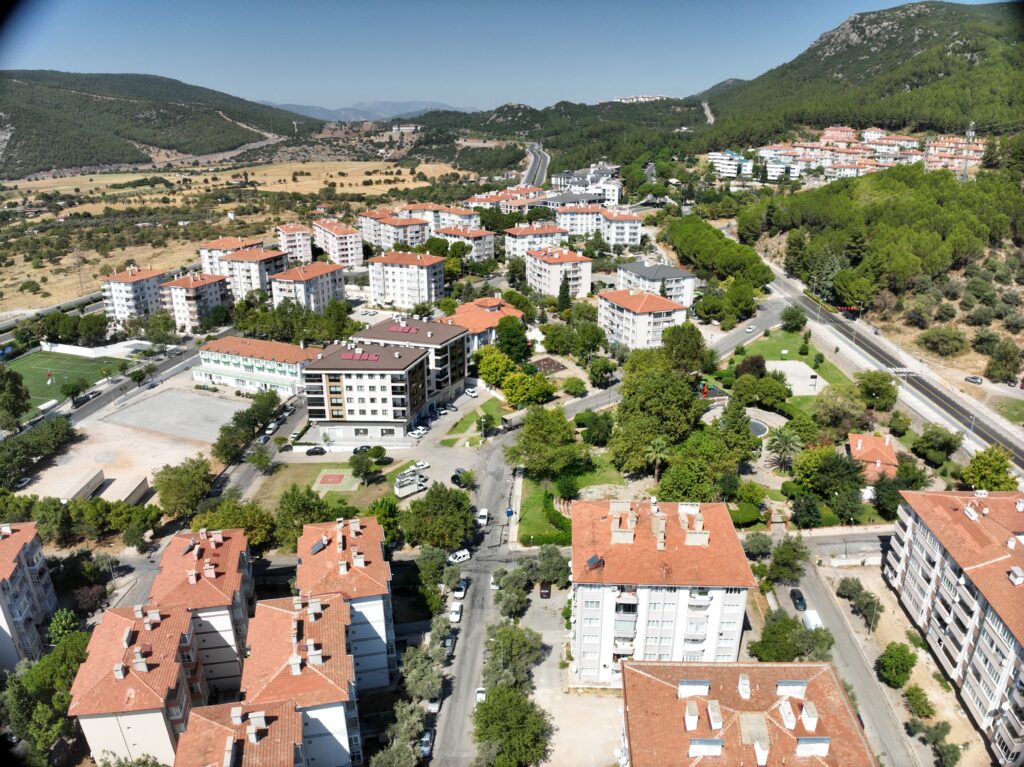
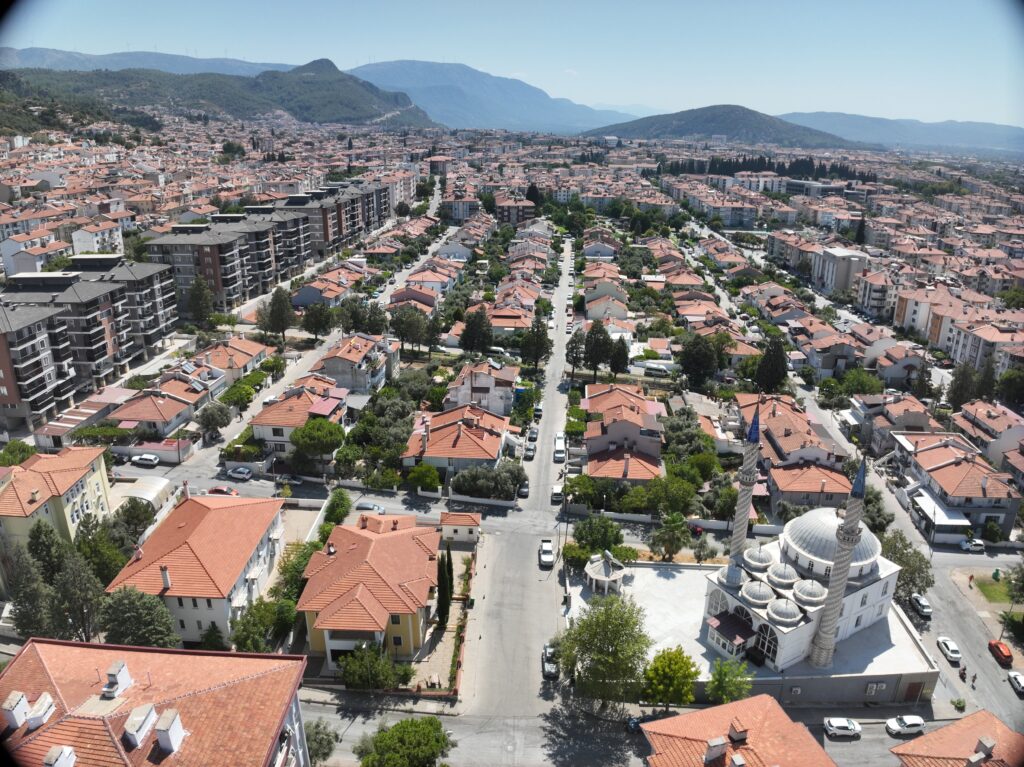
The first area is an existing neighbourhood in an area of 285,000 m2 in southwest region of Turkiye. There is a high rate of migration to the city due to socio-economic conditions and earthquake risks in other regions. The building stock is older than 30 years where renovation needs are as crucial as the demand for new construction. Most of the buildings are residential whereas the public buildings are rather new. Even though water storage is mandatory on a lot larger than 2,000 m2, there is an increasing demand on the infrastructure. The project aims to explore circular water reservoirs at a neighbourhood level.
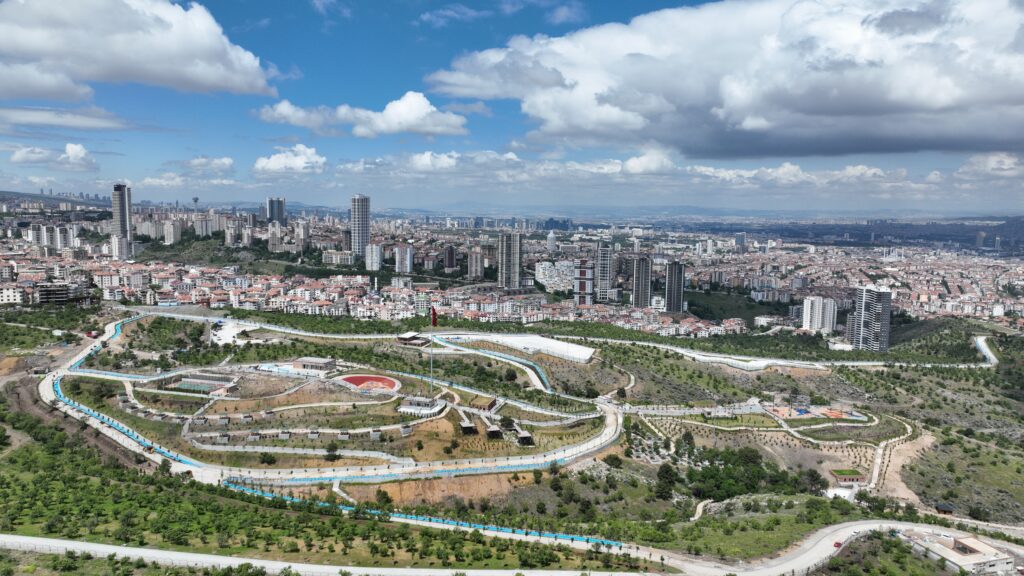
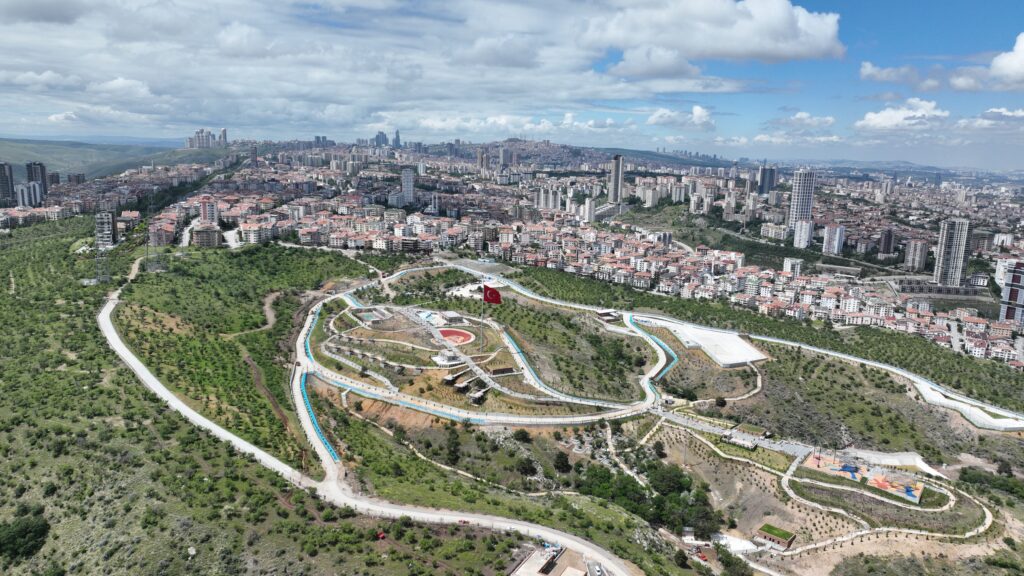
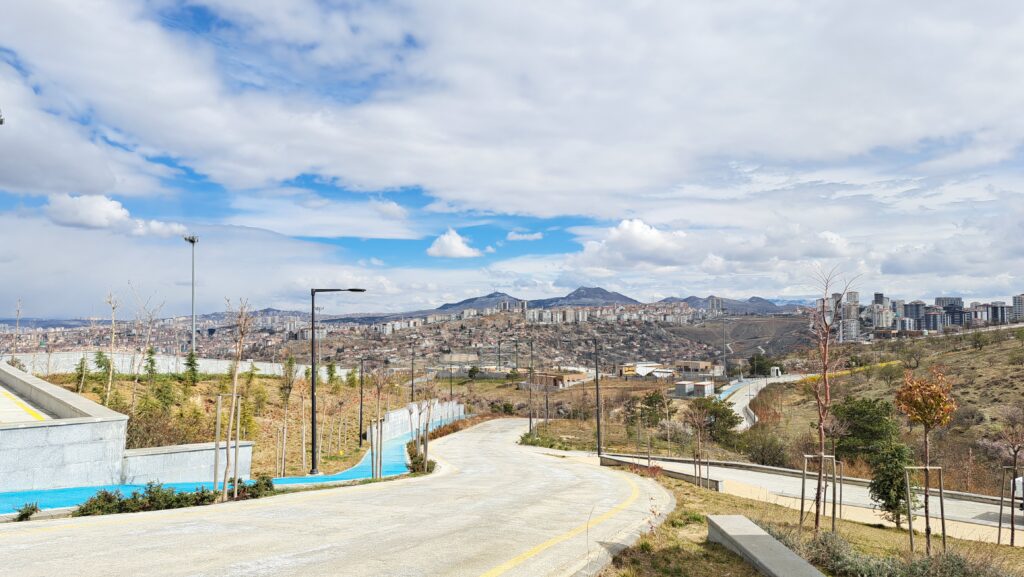
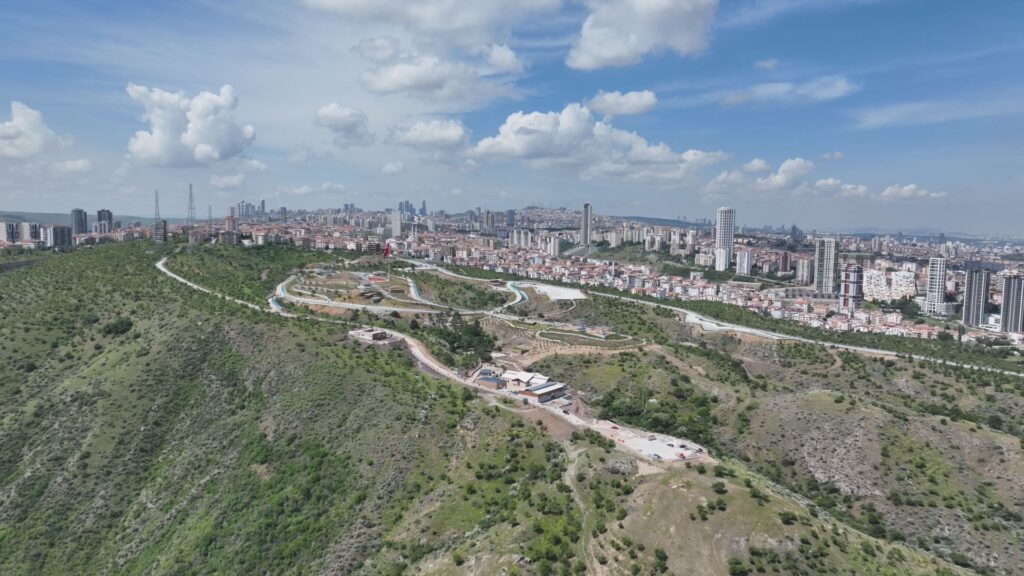
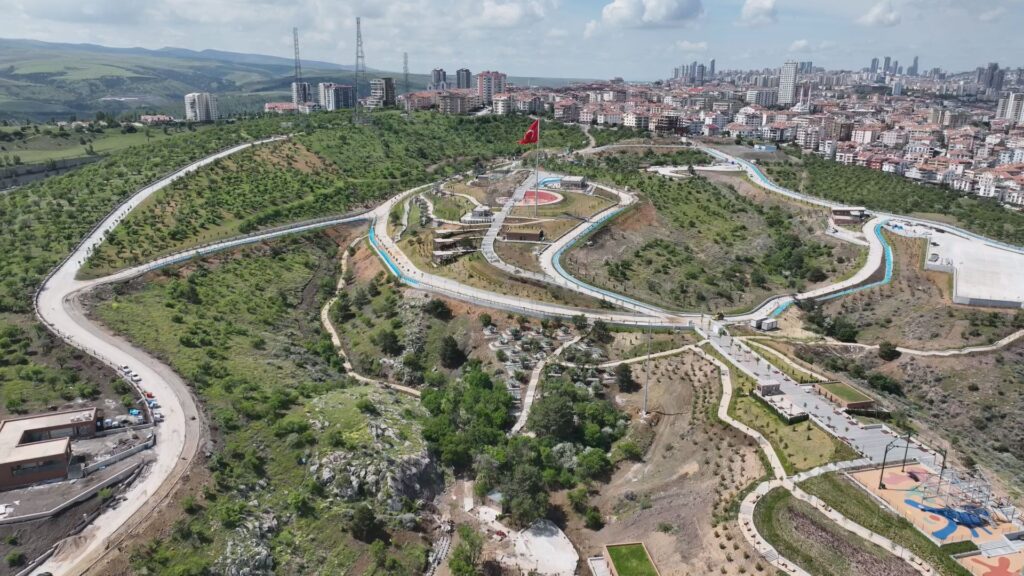
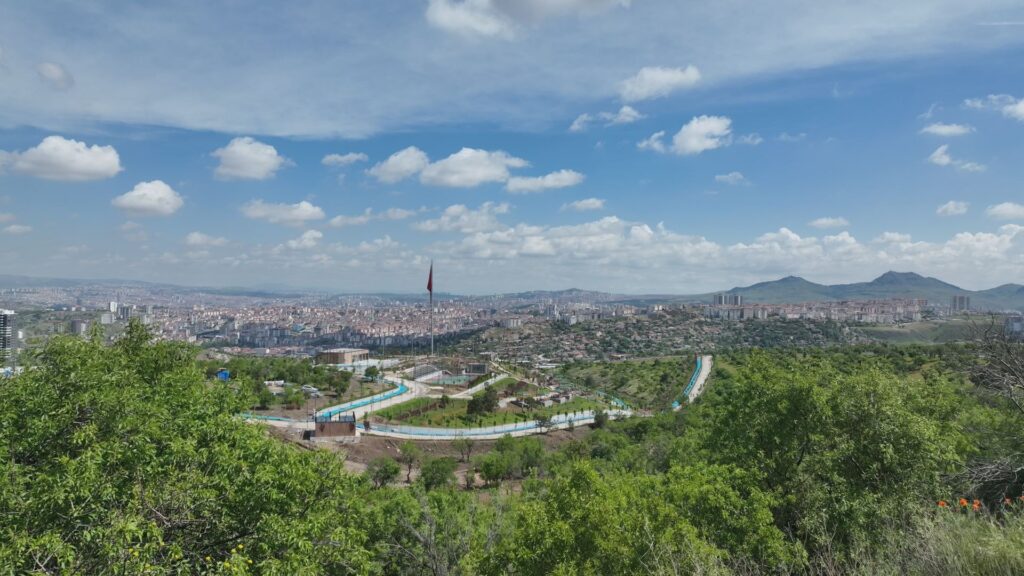
The second area is a newly developed urban park on 750,000 m2 area in the capital city Ankara which may serve as a testing zone for infrastructural solutions. The urban open spaces can be used as a resource storage zone and off-grid resources (energy, water, etc.) can be tested. The neighbourhood houses users from significantly different socio-economic backgrounds. Several NGOs may represent the user profiles. Being located in the province of ministerial headquarters, it is expected to have contributions from the Ministry of Urbanization and Energy during the co-creation workshops.
2. Italy, MIND district
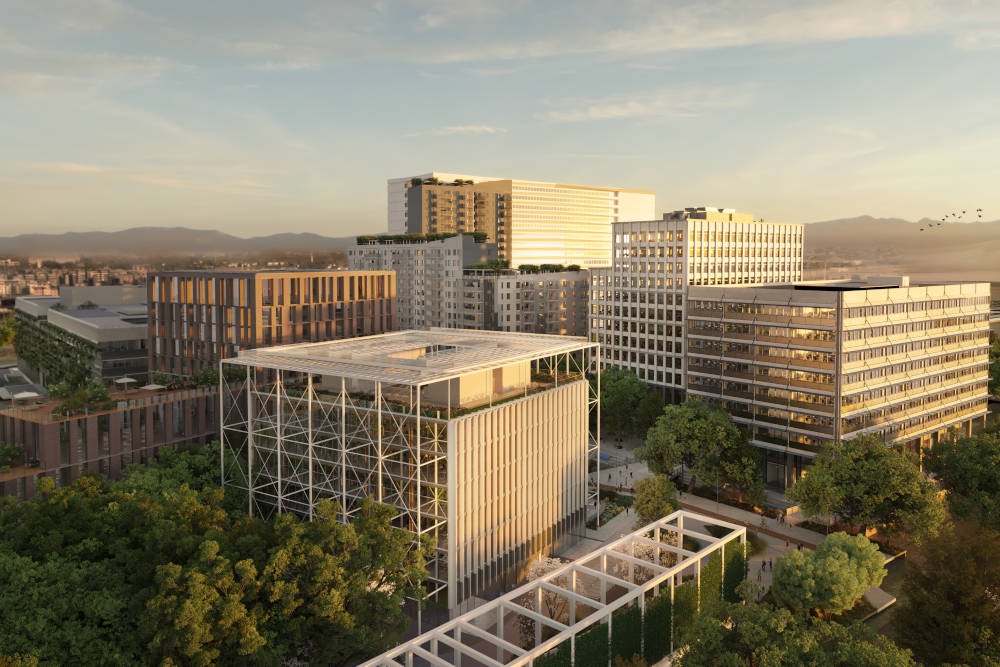
This is a district with an area of 1,000,000 m2 where innovative approaches to sustainable urban development are designed, tested and implemented. The ambition is to build the “city of the future”, where new ways of working meet latest technologies and sustainability work alongside scientific progress. Most of the buildings are new and non-residential. The area is situated on the outskirts of Milan and borders 3 cities, making it an interesting case in terms of a complex multi-stakeholder ecosystem and a suitable environment for validating the decision-making instrument. The district is planning, testing, and implementing a sustainable development agenda, including energy efficiency measures, soft mobility, waste recycling etc. The site is one of five demonstrator for the New European Bauhaus, DESIRE Project. The MIND case study is an experimental space where solutions from other case studies can be implemented for testing and validation.
3. Belgium, Bruges
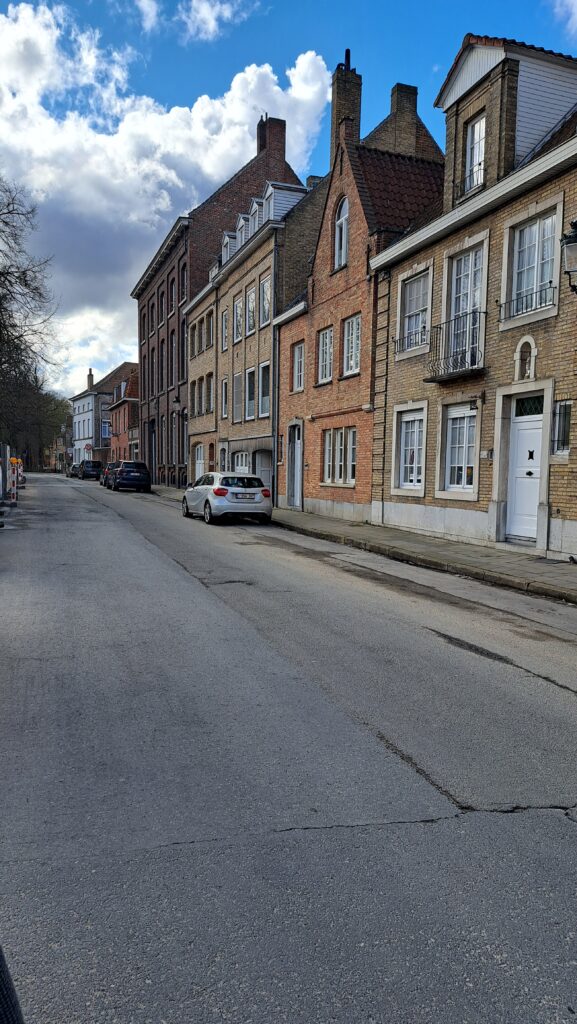
The area is an existing neighbourhood with an area of 257,876 m² in the city centre (UNESCO heritage). The age of the building stock varies a lot (from 20-300 years) so the renovation needs in this neighbourhood show a likewise variation. Most of the buildings are residential. There are also a school, parks, a church, and waterways. There is a challenge protecting the historical heritage in a densely built-up area and adapting to climate challenges. This includes collective building renovations. In addition, it is not obvious to find space for water circularity, especially on private land, but the presence of a church and parks gives interesting potentials for water- and energy buffering, sustainable heating systems, solar heating. The decision-making instrument will be tested in this dense area, considering key stakeholders. The Municipality of Bruges, as a co-operation partner, will provide data on the case study area and will support the co-creation workshops within the organisation of the ULLs.